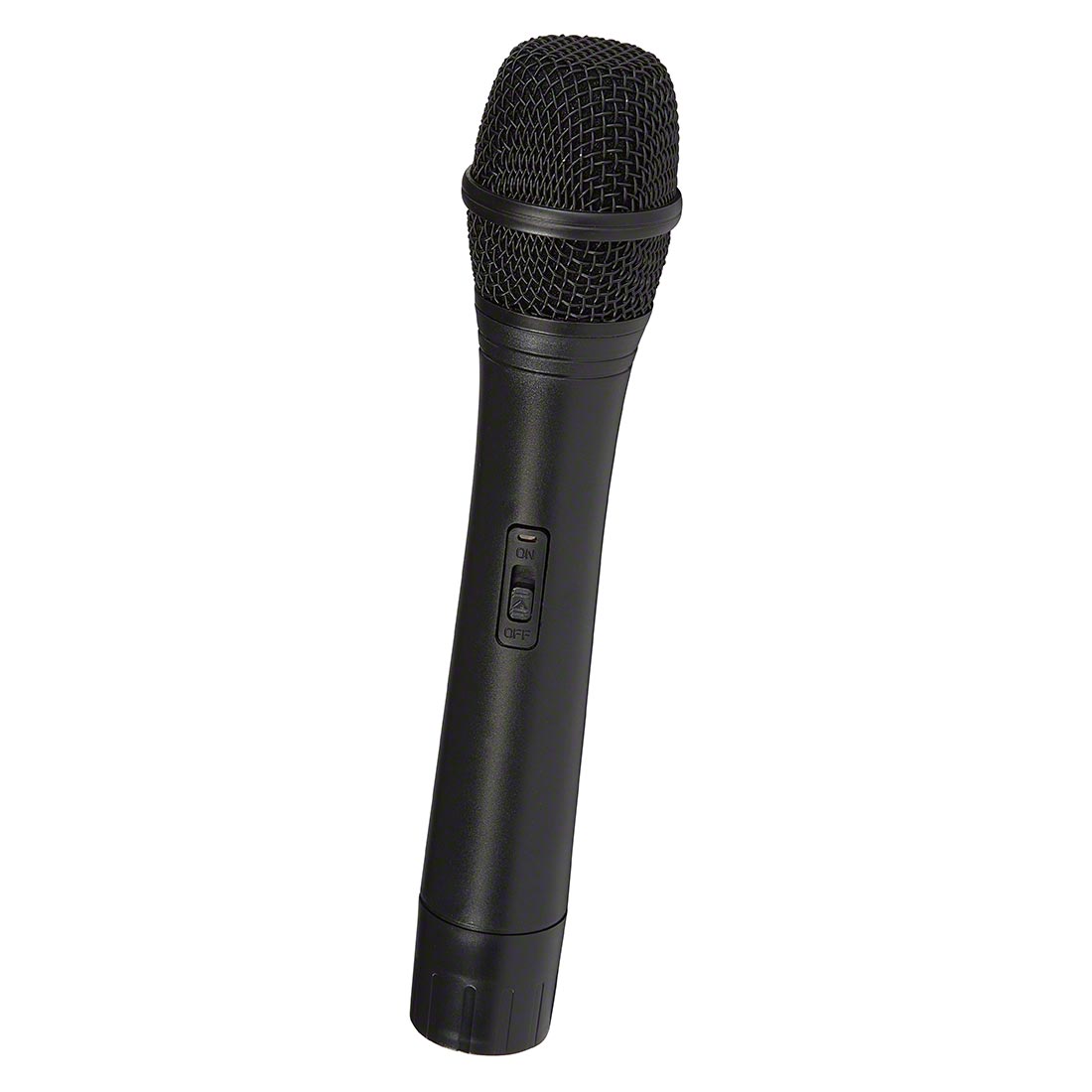
The Science Behind Microphone Types: Which One is Right for You?
When choosing a microphone, it's essential to understand the science behind microphone types. There are primarily three categories: dynamic microphones, condenser microphones, and ribbon microphones. Dynamic microphones are known for their durability and ability to handle high sound pressure levels, making them an excellent choice for live performances. In contrast, condenser microphones are more sensitive and ideal for capturing vocals and acoustic instruments in a studio setting. Ribbon microphones, while less common, provide a warm, vintage sound that many audiophiles adore. Each type serves different purposes, and knowing their strengths can significantly enhance your audio quality.
When deciding which microphone is right for you, consider the following factors:
- Usage: Will you be using it for live performances, studio recordings, or podcasting?
- Budget: High-end microphones can be costly, but there are also many affordable options that provide great sound quality.
- Environment: Consider whether you'll be in a controlled studio environment or a noisy live setting.
Counter-Strike is a popular first-person shooter game that emphasizes teamwork and strategy. Players assume the role of either terrorists or counter-terrorists in various game modes. The game has evolved significantly since its release, becoming a staple in the esports community. For gamers looking to enhance their streaming experience, check out the Top 10 Phone Accessories for YouTube to ensure high-quality broadcasts.
How to Optimize Your Microphone Setup for Crystal Clear Sound
Creating a professional microphone setup is essential for achieving crystal clear sound. Start by selecting the right microphone type for your needs—whether it's a dynamic, condenser, or ribbon microphone. Each has its unique characteristics and is suited for different recording situations. Once you have your microphone, ensure it’s positioned correctly. Ideally, place it 6 to 12 inches away from your mouth, angling it slightly towards you to capture your voice while minimizing background noise.
Next, consider your environment to further enhance the crystal clear sound quality. Choose a quiet room with minimal noise interference, and use sound-absorbing materials, such as foam panels or carpets, to reduce echo. Additionally, investing in a pop filter can prevent plosive sounds caused by letters such as 'P' and 'B' from distorting your audio. Finally, adjust your recording levels to avoid peaking; aim for peaks around -12dB to -6dB to maintain optimal sound quality and prevent distortion.
Common Microphone Issues: Troubleshooting Sound Quality Problems
When it comes to recording or streaming, microphone issues can significantly impact sound quality. One of the most common problems is background noise, which can drown out your voice and create an unprofessional audio experience. To troubleshoot this issue, ensure that your microphone is positioned correctly and away from noisy appliances or other sound sources. Additionally, consider using a pop filter to reduce unwanted plosive sounds and invest in a quality microphone that offers noise-canceling features.
Another frequent issue is the imbalance in sound levels, often characterized by one side being louder than the other. This could be due to improper connections or settings on your recording device. Start by checking all cables and connections to ensure they are secure. Next, delve into your audio settings and balance the levels accordingly. Using software tools, you can also further enhance your sound quality by adjusting equalization and applying necessary filters to achieve a clearer, more professional result.