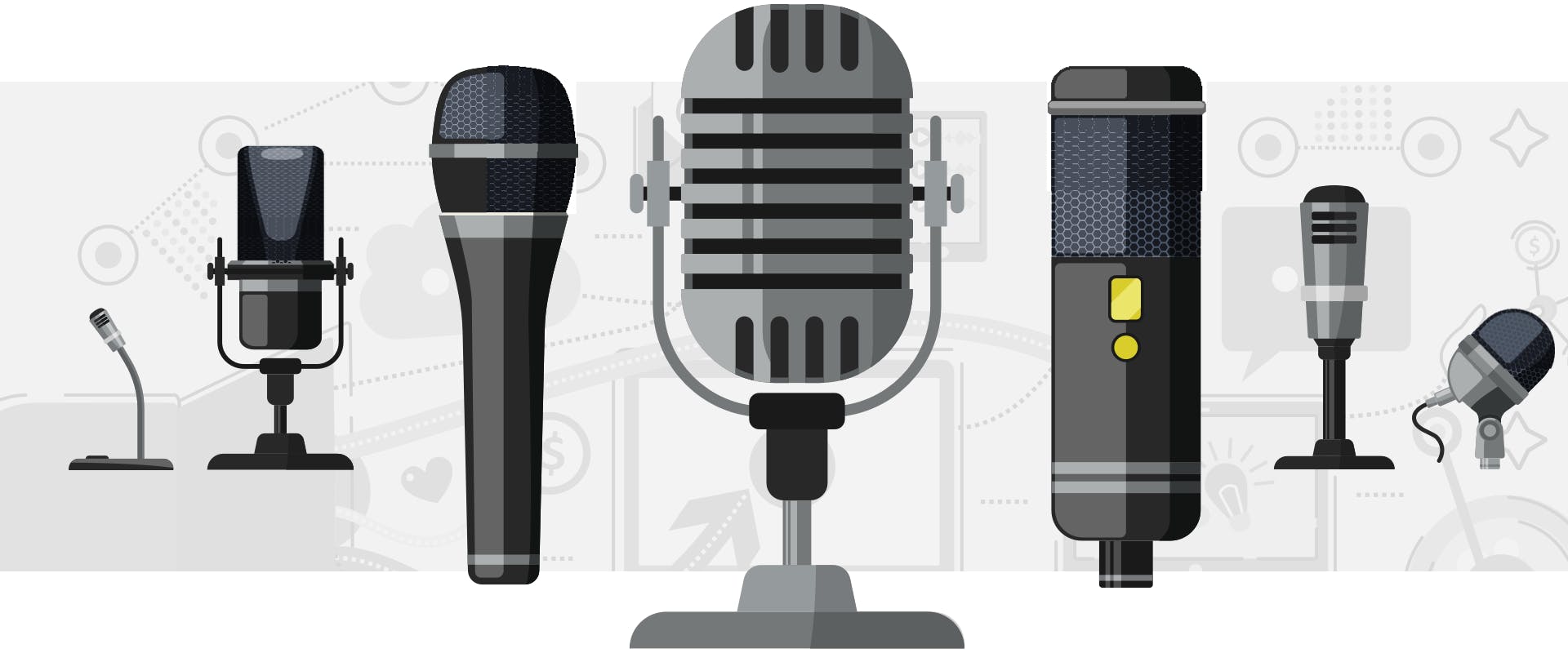
The Anatomy of a Microphone: What Makes Quality Sound?
Understanding the anatomy of a microphone is essential for anyone looking to enhance their audio production skills. A microphone primarily consists of several key components: the diaphragm, which captures sound waves; the transducer, which converts these waves into electrical signals; and the casing that protects all components while minimizing unwanted noise. Each of these parts plays a crucial role in delivering high-quality sound. For instance, the diaphragm is typically made from thin materials that can pick up even the faintest vibrations, while different transducer types, such as dynamic and condenser, determine how sound is captured.
Beyond the basic components, various factors influence the overall performance of a microphone. Frequency response is one crucial attribute, indicating how well a microphone can capture different sound frequencies. The sensitivity of a microphone also matters, as it determines how effectively the device can respond to quiet sounds. Additionally, the microphone's pickup pattern, or how it captures sound from different directions, can greatly affect the recording quality. By understanding these elements, enthusiasts can make informed choices when selecting microphones that truly capture the essence of sound.
Counter-Strike is a popular first-person shooter game that pits teams of terrorists against counter-terrorists in various mission objectives. Players can engage in intense battles across different maps while utilizing a wide range of weapons and tactics. For those interested in enhancing their mobile content creation, check out the Top 10 Mobile Vlogging Accessories to elevate your vlogging game.
Top 5 Common Mistakes in Microphone Setup and How to Avoid Them
Setting up a microphone may seem straightforward, but many people make common mistakes that can significantly impact sound quality. Here are the top 5 common mistakes in microphone setup:
- Improper Placement: Positioning your microphone too close or too far from the sound source can lead to issues such as distortion or excessive background noise. Always ensure that your microphone is placed at an appropriate distance, typically 6-12 inches away, depending on the type of microphone and the environment.
- Neglecting Acoustics: Failing to consider the acoustics of the recording area can result in echoes and reverb. Use soundproofing materials or try to record in a quieter, more controlled environment to achieve better audio clarity.
Furthermore, other mistakes to watch out for include:
- Overlooking Cable Quality: Using low-quality or old cables can introduce noise and interference into your audio. Always invest in high-quality cables to maintain the integrity of your signal.
- Ignoring Gain Levels: Setting the gain too high can cause clipping, while too low of a setting means you won’t capture the full dynamic range of the sound. Always monitor and adjust gain levels appropriately before recording.
- Not Testing Before Recording: Skipping pre-recording tests can lead to unpleasant surprises later. Always do a quick sound check to ensure everything is working properly before starting your session.
How to Choose the Right Microphone for Your Needs: A Comprehensive Guide
Choosing the right microphone is essential for achieving high-quality audio in your recordings, podcasts, or live performances. With a plethora of options available, it can be overwhelming to determine which microphone suits your needs best. Start by considering the purpose of your recording—are you capturing vocals, instruments, or ambient sounds? Each microphone type has its strengths, such as dynamic microphones for live performances and condenser microphones for studio recordings. Additionally, think about factors like budget, portability, and the environment in which you’ll be using the microphone.
Once you’ve outlined your needs, make a list of features that are important for you. This may include microphone type (such as handheld, lavalier, or shotgun), connectivity options (USB vs. XLR), and directional patterns (cardioid, omnidirectional, etc.). A good practice is to read customer reviews and expert opinions to narrow down your options. You might also want to test some models in-store if possible, as hands-on experience can provide significant insights into their performance. By following these guidelines, you'll be well on your way to selecting the perfect microphone for your unique requirements.