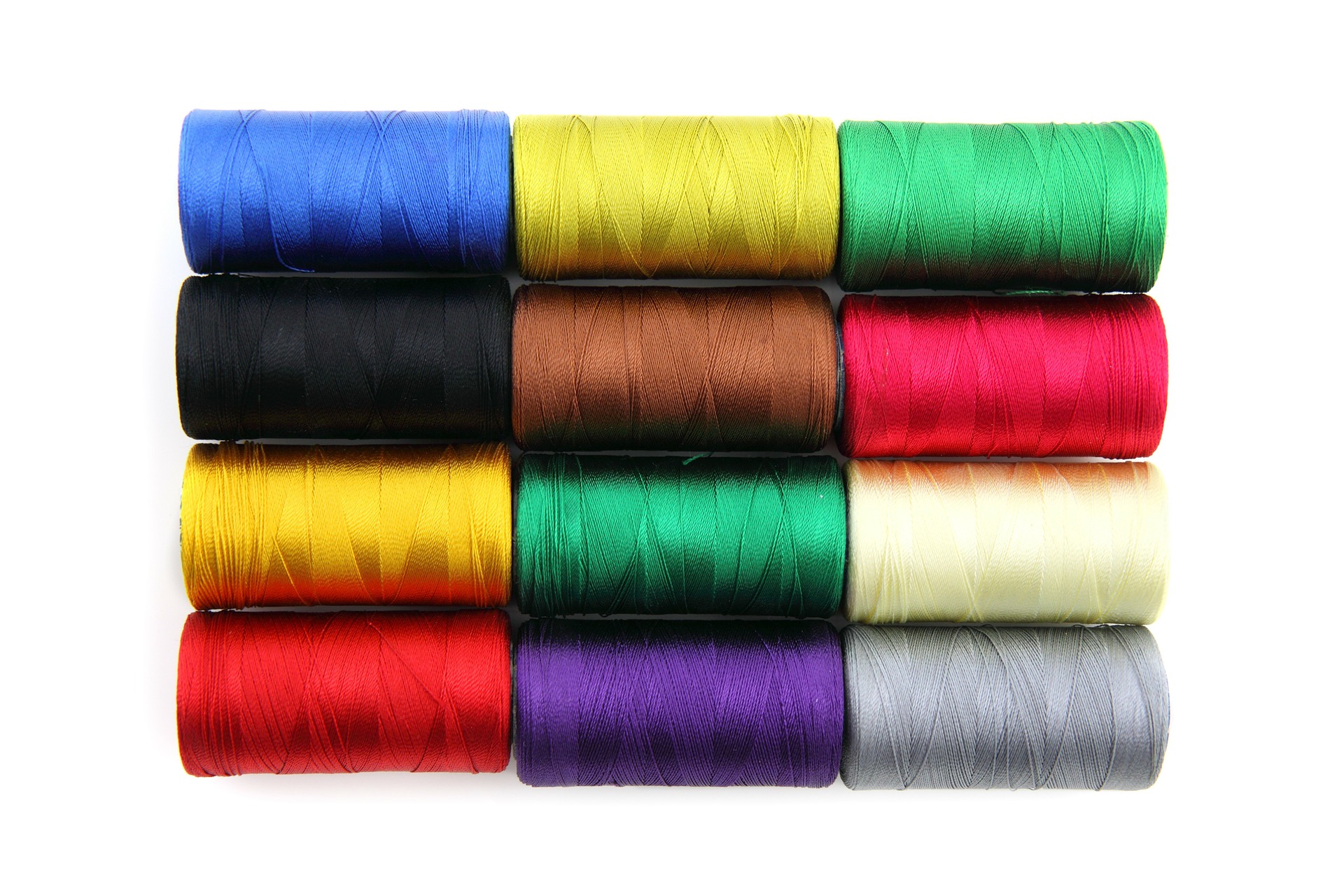
The Evolution of Nylon: From Industrial Fiber to Fashion Staple
The story of nylon began in the 1930s when it was first developed by chemist Wallace Carothers at DuPont. Initially created as a synthetic replacement for silk, it revolutionized the textile industry by providing a cheaper and more durable alternative. By the late 1930s, nylon stockings had taken the fashion world by storm, becoming a symbol of modernity and sophistication. Consumers were captivated by the new material, and its popularity surged, especially among women. This rapid acceptance marked the beginning of nylon's transformation from an industrial fiber into a staple in fashion.
Over the decades, nylon has undergone significant evolution in both use and perception. Today, it is not only utilized in clothing but also in various applications ranging from outdoor gear to home furnishings. The adaptability of nylon has made it a favorite among designers and manufacturers. With the rise of sustainable fashion, innovations in nylon production have also emerged, including recycled options that lessen environmental impact. As the material continues to be redefined, its legacy as a versatile component in both fashion and industry remains firmly intact.
Counter-Strike is a popular first-person shooter game that emphasizes team-based gameplay and strategic planning. Players can choose between two opposing teams, terrorists and counter-terrorists, to complete various objectives. If you're looking for a way to enhance your gaming experience, check out the Top 10 Lightweight Apple Watch Bands to keep you comfortable while you play.
10 Surprising Uses of Nylon in Everyday Life
Nylon, known for its strength and durability, has a multitude of surprising applications that extend beyond the world of fashion. For instance, nylon is a key material used in the production of parachutes and fishing lines, where its lightweight and robust characteristics are essential for performance and safety. Additionally, nylon is found in everyday items such as toothbrushes, where the bristles are made from a nylon blend, providing effective cleaning while being gentle on the gums. Other unexpected uses include cooking utensils that feature nylon components for their heat resistance and easy maintenance.
Moreover, nylon contributes significantly to the realm of home improvement and DIY projects. For example, nylon is frequently utilized in tarp and outdoor gear manufacturing, offering water-resistance and minimal weight, making it ideal for camping enthusiasts. Furthermore,
- Rope and Cord: Nylon ropes are highly durable and great for any lifting or tying needs.
- Sports Equipment: You can find nylon in various sporting goods such as tennis strings and nets due to its ability to withstand high tension.
Why Nylon is the Go-To Material for Fashion and Functionality?
Nylon has become a cornerstone in the world of fashion and functionality due to its durability and versatility. This synthetic fabric, introduced in the 1930s, quickly gained popularity for its ability to withstand wear and tear while maintaining a sleek appearance. With advancements in technology, nylon can now be woven into various textures and styles, making it suitable for everything from high-end evening wear to rugged outdoor gear. This adaptability makes nylon a favored choice among designers who strive to blend style with practical performance.
One of the most compelling reasons nylon stands out is its moisture-wicking properties. Unlike traditional fabrics, nylon effectively draws sweat away from the body, making it an ideal choice for activewear and other dynamic applications. Furthermore, nylon is often resistant to mold and mildew, enhancing its longevity in environments where other materials might degrade. These attributes not only cater to consumers looking for fashionable clothing but also meet the demands of those seeking functional apparel that keeps up with their lifestyle.