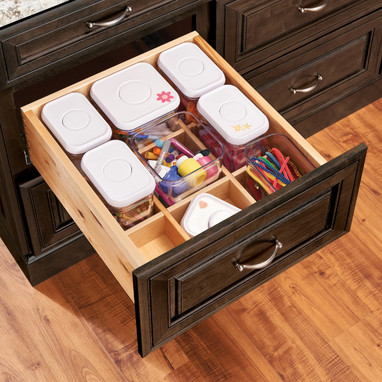
The Science Behind Organization: How Staying Organized Boosts Productivity
The science behind organization reveals that a well-structured environment significantly enhances productivity. Research indicates that organization reduces cognitive overload, allowing individuals to focus on their tasks without unnecessary distractions. When everything has its place, it minimizes the time spent searching for items, leading to more efficient workflows. For instance, a study conducted by the Princeton University Neuroscience Institute found that clutter can actually make it harder for our brains to focus. This highlights the importance of creating a clean and organized workspace to optimize performance.
Moreover, staying organized can improve time management skills, resulting in higher productivity levels. By utilizing techniques such as to-do lists or prioritization matrices, individuals can clearly define their goals and track their progress. Here are some effective methods to enhance organization:
- Digital Tools: Utilize apps and software to keep tasks manageable.
- Declutter Regularly: Maintain a clean workspace by removing unnecessary items.
- Set Deadlines: Break larger projects into smaller tasks with specific timelines.
Implementing these strategies not only streamlines daily operations but also fosters a sense of accomplishment, ultimately boosting overall productivity.
Counter-Strike is a popular first-person shooter video game franchise that has gained immense popularity since its initial release in 1999. Players engage in tactical team-based gameplay while competing in various game modes. If you're looking to keep your gear organized, check out the Top 10 Travel Electronics Organizers to ensure you have everything you need for your next gaming session. The competitive scene of Counter-Strike has also evolved, featuring professional tournaments that draw large audiences worldwide.
10 Essential Tools Every Organizer Swears By
For any professional organizer, having the right tools is crucial for effective decluttering and organizing tasks. Here are 10 essential tools every organizer swears by:
- Label Maker: A label maker creates a clean and professional look on all your storage bins and files. It helps to streamline the organization process and makes locating items much easier.
- Storage Bins: Clear storage bins are a game-changer as they allow you to see the contents at a glance while keeping your space tidy.
- Measuring Tape: This is essential for measuring spaces to determine the best storage solutions and to avoid purchasing items that won't fit your space.
- Binder Clips: These are perfect for securing loose items together and keep your workspace clutter-free.
- Folders and Binders: Utilize folders and binders to keep important documents organized and easily accessible.
Continuing with our list of 10 essential tools every organizer swears by, here are five more indispensable items:
- Step Stool: A sturdy step stool allows you to reach high shelves when organizing, making the most of vertical space.
- Calendar or Planner: Keeping track of schedules and deadlines is vital for organizing events and tasks.
- Cleaning Supplies: Having the right cleaning supplies on hand ensures that spaces are ready for organization and maintained afterward.
- Donation Bins: Designating a bin for items to donate encourages regular decluttering and helps maintain an organized space.
- Digital Tools: Apps and software for task management and planning can streamline your organizing workflow and keep everything on track.
Are You Sabotaging Your Own Organization? Common Mistakes to Avoid
In today's fast-paced business environment, it's easy to inadvertently sabotage your own organization. One common mistake is failing to communicate effectively within your team. When team members are unclear about their roles and responsibilities, it can lead to confusion, decreased productivity, and missed deadlines. To combat this, consider implementing regular team meetings and using project management tools to ensure everyone is on the same page.
Another critical error is neglecting employee feedback. Ignoring the insights and opinions of your workforce can create a disconnect between management and staff, leading to a decline in morale and engagement. Make it a priority to seek feedback through surveys or one-on-one check-ins, helping to foster a culture of open communication and continuous improvement. By avoiding these pitfalls, you can enhance your organization's efficiency and overall success.