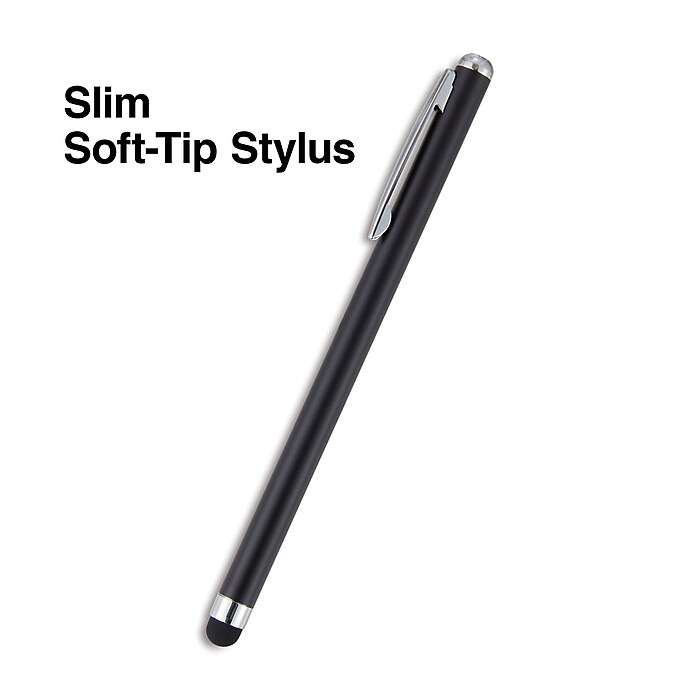
The Evolution of the Stylus: From Ancient Tools to Modern Creativity
The stylus has a rich history that dates back to ancient civilizations, serving as one of the earliest tools for writing and artistic expression. Originally crafted from materials such as bone, metal, or wood, these ancient styluses were utilized on clay tablets, allowing scribes to etch symbols and characters with precision. As time progressed, the stylus evolved alongside the mediums of writing and art, from wax tablets in Roman times to the quills and ink pens of the Renaissance. This journey not only showcases the practical evolution of the stylus but also highlights its role as a catalyst for intellectual and artistic creativity across various cultures.
In today's digital age, the stylus has transformed into a modern tool that continues to inspire and enhance creativity. With the advent of tablets and touchscreen devices, digital styluses now offer features such as pressure sensitivity and programmable buttons, enabling artists and designers to create intricate works with ease. The evolution of the stylus reflects broader technological advancements and the shifting landscape of art and design, empowering users to express their creativity in entirely new ways. As we look ahead, it is evident that the stylus will remain an essential tool for those seeking to blend tradition with innovation in their creative endeavors.
Counter-Strike is a popular first-person shooter game that has captivated millions of players around the world. Known for its tactical gameplay and team-based mechanics, it has evolved through various iterations, becoming a cornerstone of the esports scene. Players often seek the best gear to enhance their performance, which is why finding Top 10 Tablet Accessories can make a significant difference in their gaming experience.
10 Ways a Stylus Can Unlock Your Creative Potential
In today's digital age, a stylus is more than just a writing instrument; it is a powerful tool that can unlock your creative potential in numerous ways. From graphic design to note-taking, a stylus offers precision and versatility that can enhance your creative workflow. For instance, you can use it to create stunning illustrations or take highly organized notes that visually express your ideas. The tactile feedback of a stylus can simulate the pen-and-paper experience, making it easier for you to engage your creativity without the distractions of traditional digital interfaces.
Here are 10 ways a stylus can enhance your creative process:
- Enhanced Accuracy: A stylus allows for precise control over your artwork or written notes.
- Pressure Sensitivity: Many styluses offer pressure-sensitive features that enable varying line thickness and opacity.
- Sketching Anywhere: With a stylus, you can draw or write whenever inspiration strikes, on devices that support it.
- Easy Editing: Quickly erase or modify your work without the hassle of traditional methods.
- Layering and Texturing: Use different apps to create layers and textures that bring your digital artworks to life.
- Visual Storytelling: Create infographics and visual notes that convey ideas more effectively.
- Creative Collaboration: Share your stylus notes with others for interactive brainstorming sessions.
- Personalization: Customize your digital workspace to suit your unique artistic style.
- Tool Versatility: Use the same device for both drawing and writing, minimizing the need for multiple tools.
- Engagement and Fun: Embrace your creativity with a stylus, turning tasks into enjoyable activities.
Is a Stylus Essential for Digital Artists? Exploring the Benefits
For many digital artists, a stylus is not just a tool; it's an extension of their creativity. Unlike traditional methods, using a stylus allows for precision and control that fingers simply cannot provide. The pressure sensitivity found in many modern styluses enables artists to vary their stroke weight and opacity, mimicking the effects of traditional brushes and pens. This makes achieving intricate details and nuanced textures much easier, letting artists fully realize their visions in digital form.
Moreover, the ergonomic design of styluses significantly enhances the drawing experience, reducing strain during long sessions. Digital artists often spend hours at a time creating their masterpieces, and a stylus offers a comfortable grip that can help prevent fatigue. Additionally, many styluses come with customizable buttons and shortcuts that streamline the creative process, allowing artists to focus on their work without unnecessary interruptions. In conclusion, while it may be possible to create without a stylus, its benefits make it an invaluable asset in the toolkit of any serious digital artist.