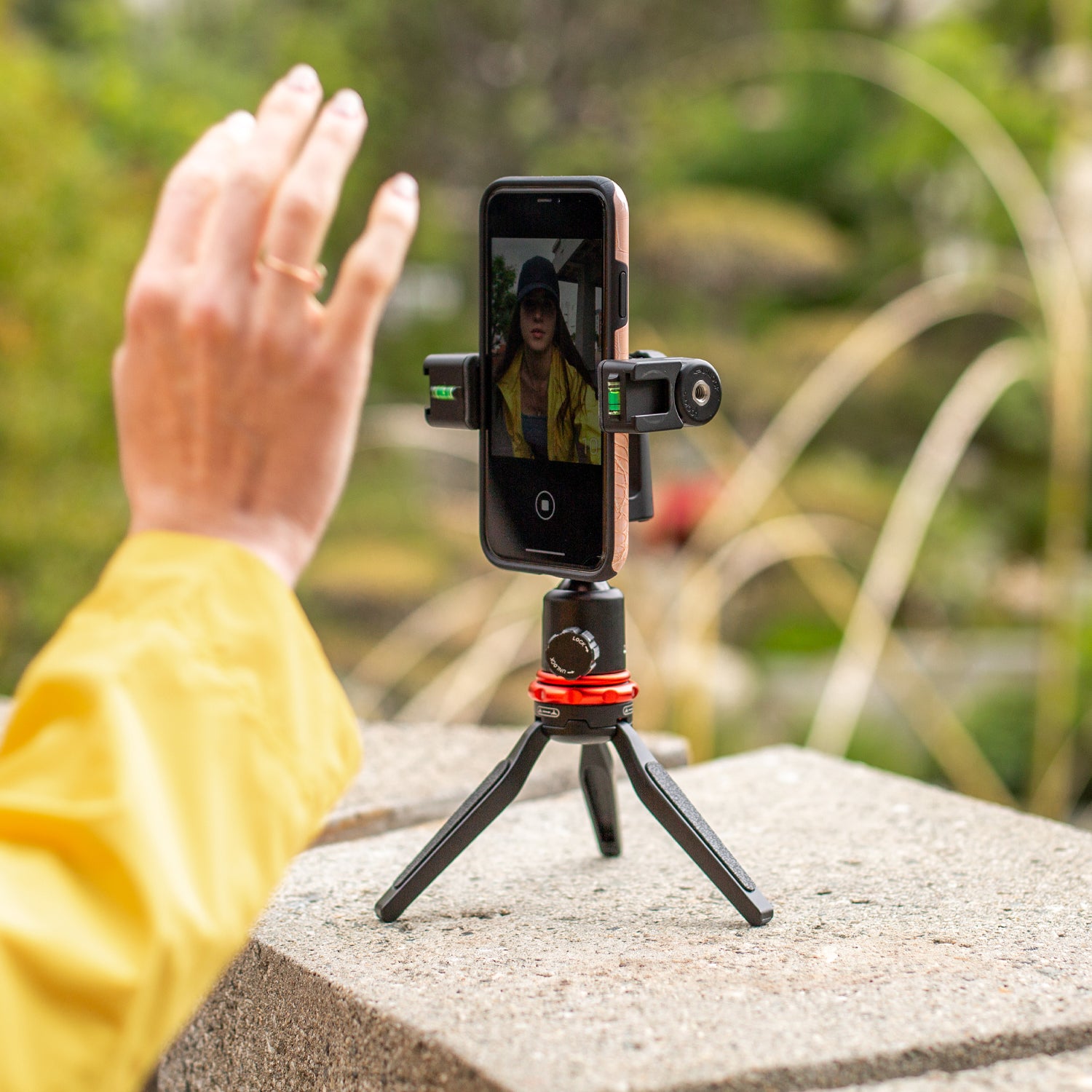
Top 5 Factors to Consider When Choosing a Tripod for Your Photography Needs
Choosing the right tripod can significantly impact your photography experience and results. Here are the top 5 factors to consider when selecting a tripod that best suits your photography needs:
- Stability: A stable tripod is crucial for capturing sharp images, especially in low-light conditions. Look for tripods made of sturdy materials like aluminum or carbon fiber, which provide better stability against wind and vibrations.
- Weight Capacity: Ensure that your chosen tripod can support your camera and lens combination. Always check the weight capacity of the tripod to avoid accidents that may damage your equipment.
- Height Adjustability: Consider a tripod that can easily adjust to various heights for shooting from different angles. An ideal tripod should offer a minimum height for low shots and a maximum height that allows you to stand comfortably.
- Portability: If you plan on traveling with your tripod, opt for a lightweight and compact option that can be easily carried in a backpack. Look for features like foldable legs and a quick-release plate for added convenience.
- Price and Brand: Invest in a reputable brand that offers quality tripods within your budget. While there are many affordable options, sometimes spending a little more can ensure better durability and performance.
Counter-Strike is a highly popular first-person shooter game that emphasizes teamwork and strategy. Players can choose to play as terrorists or counter-terrorists, engaging in various missions and objectives. For those looking to enhance their mobile photography experience, check out the Top 10 iphone photography accessories that can help elevate your skills. The game has evolved over the years, with several versions, including Counter-Strike: Global Offensive, which remains a staple in competitive gaming.
The Best Tripods for Every Type of Photographer: A Comprehensive Guide
When it comes to photography, having the right equipment can make all the difference, and tripods are no exception. Whether you're a landscape photographer, a portrait specialist, or someone who loves capturing fast-paced action shots, choosing the right tripod suited to your needs is crucial. For landscape photographers, a sturdy tripod that can withstand harsh weather conditions is essential. Look for options made from durable materials such as carbon fiber or aluminum and equipped with features like adjustable legs and a ball head for flexibility in positioning. On the other hand, portrait photographers may benefit from lighter models that are easy to transport but can still provide excellent stability.
For those venturing into the world of travel photography, compact and lightweight tripods are a must-have. These tripods allow you to set up your camera quickly in various outdoor settings without adding too much weight to your gear. Additionally, sports and wildlife photographers should consider using a tripod with a fluid head to facilitate smooth pans and tilts, enabling them to follow fast-moving subjects effortlessly. To help you navigate the vast array of options, we've compiled a list of the best tripods for every type of photographer, ensuring you find the right support for your artistic vision.
How to Properly Use Your Tripod: Tips for Stunning Long Exposure Shots
Using a tripod correctly is essential for capturing stunning long exposure shots. First, it’s important to choose a stable surface; uneven ground can lead to shaky images. Position your tripod on a flat area and ensure that all three legs are planted firmly. If you’re shooting on a windy day, consider using a weight or sandbag to add extra stability. Additionally, check that all the tripod locks are securely tightened, as any movement can blur your long exposure images. Once your tripod is secure, attach your camera to the head, and make sure it’s balanced to avoid any tilt during the shot.
Next, set up your composition and adjust your settings. For long exposure photography, you’ll want to use a low ISO, generally around 100-200, to minimize noise. A small aperture (higher f-number) will help increase the depth of field and maintain sharpness throughout the image. If you’re in bright light conditions, use a neutral density (ND) filter to reduce the amount of light entering the lens, allowing you to achieve longer exposures without overexposing your shot. Finally, use a remote shutter release or the camera’s timer function to eliminate any shake that might occur when pressing the shutter button. With these techniques, you'll be well on your way to capturing breathtaking long exposure images.