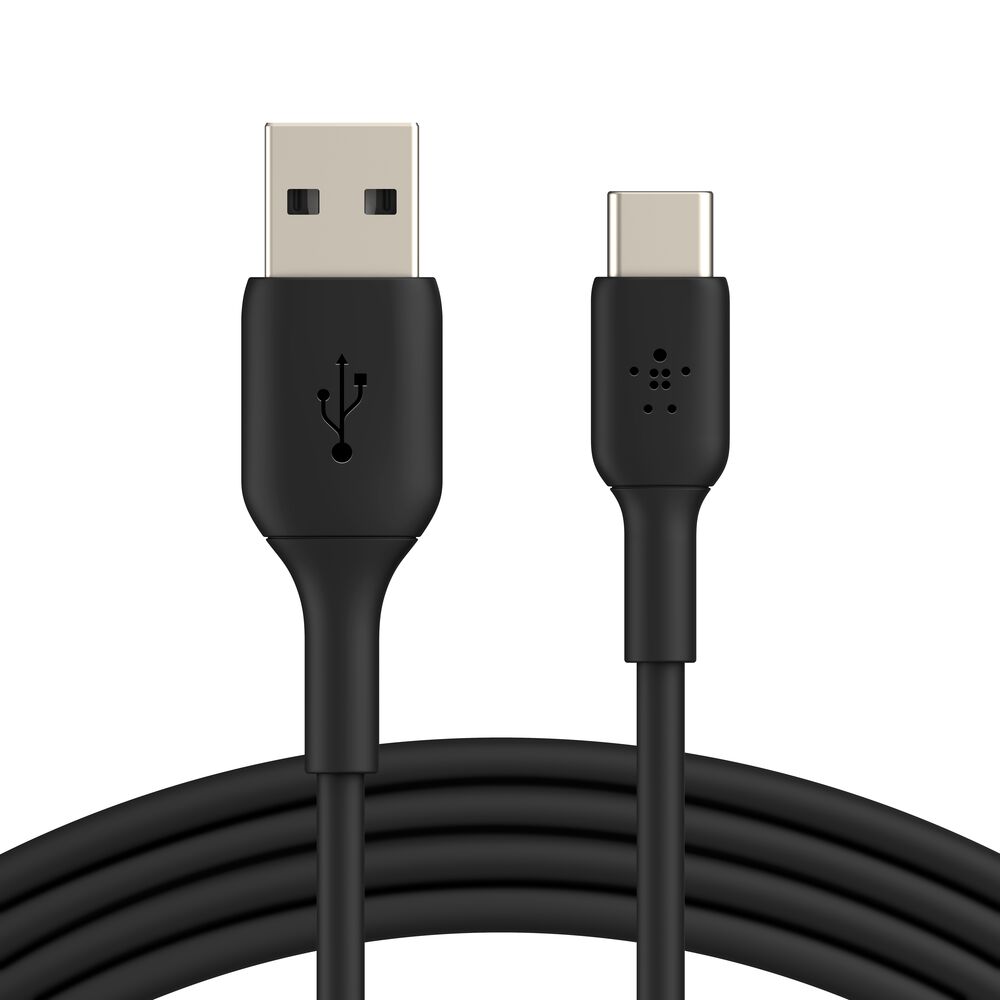
Understanding USB-C: A Comprehensive Guide to the Universal Connector
USB-C, or Universal Serial Bus Type-C, is a versatile connector that has revolutionized the way we charge and connect our devices. Unlike its predecessors, USB-C offers a reversible design, meaning you can plug it in either way, eliminating the hassle of fumbling with cables. This modern connector supports a variety of protocols including power delivery (PD) and data transfer, making it a one-stop solution for charging laptops, smartphones, and tablets. With a power output of up to 100 watts and data transfer speeds up to 10 Gbps, USB-C is quickly becoming the standard for a wide array of devices.
One of the most significant advantages of USB-C is its compatibility with multiple devices, allowing users to connect everything from headphones to external displays with a single type of cable. However, as you navigate this new landscape, it's essential to understand the different capabilities of various USB-C cables and ports. For example, not all USB-C cables support the same power delivery or data transfer speeds, so always check the specifications to ensure you're using the right cable for your needs. In summary, understanding USB-C is crucial for optimizing your device connectivity and ensuring you're equipped with the right tools for the digital age.
Counter-Strike is a popular team-based first-person shooter game that emphasizes strategy, teamwork, and skill. Players can choose to be either terrorists or counter-terrorists, with various objectives depending on the game mode. With its competitive nature, Counter-Strike has become a staple in esports, attracting millions of players and viewers worldwide. For those interested in enhancing their gaming or productivity setup, check out the Top 10 Accessories for Coding with MacBook to optimize your experience.
The Benefits of USB-C: Why It’s the Future of Connectivity
The introduction of USB-C has revolutionized the way we connect our devices, offering numerous benefits that make it the future of connectivity. First and foremost, the reversible design of USB-C connectors eliminates the frustration of fumbling with cables. Users can plug the connector in any orientation, enhancing convenience and reducing wear on ports. Furthermore, USB-C supports faster data transfer rates, with speeds reaching up to 40 Gbps through the Thunderbolt 3 protocol. This makes it an ideal choice for professionals and tech enthusiasts who require quick and efficient file transfers.
Another significant advantage of USB-C is its universal compatibility. This single cable standard is capable of delivering power, video, and audio, thereby simplifying the charging and connectivity landscape. Devices ranging from smartphones and laptops to tablets and peripherals can utilize USB-C, reducing the need for multiple cables and chargers. Additionally, the power delivery capability allows for quick charging of compatible devices, supporting up to 100 watts. As technology continues to evolve, the adoption of USB-C is likely to become widespread, solidifying its position as the standard for future connectivity solutions.
Common Questions About USB-C: What You Need to Know
USB-C has revolutionized the way we connect our devices, but many users still have questions about its functionality and benefits. One common inquiry is about compatibility—specifically, whether USB-C is interchangeable with older USB types. The answer is both yes and no. While USB-C connectors can work with various devices through adapters, not all USB-C ports support the same features, such as fast charging or data transfer speeds. Therefore, it’s essential to check the specifications of your devices to ensure they can utilize USB-C's full potential.
Another frequent question revolves around the charging capabilities of USB-C. Many users are curious if they can use a USB-C charger for their devices, regardless of the brand. In most cases, the answer is affirmative, as USB-C is designed for universal use. However, it's important to note that charging speed and efficiency may vary depending on the power output of the charger and the power intake of the device. Users should also be aware of the significance of using quality cables, as subpar alternatives could lead to slower charging or even damage to devices.