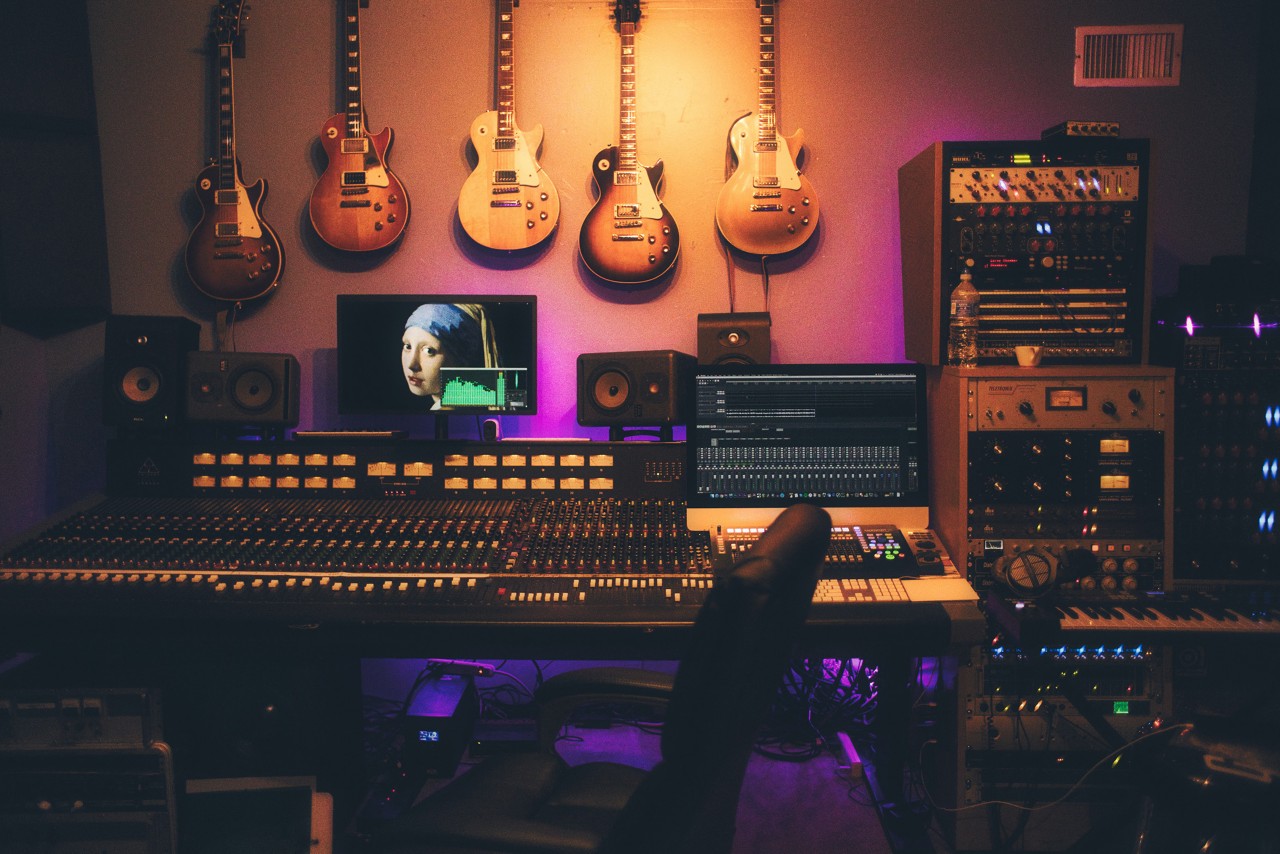
The Hidden Impact of Poor Audio Quality on Your Daily Life
In today's fast-paced world, poor audio quality can significantly affect our daily lives in ways that we might not immediately recognize. Whether it's a garbled phone call, a muffled podcast, or a video with distracting background noise, these seemingly minor issues can lead to miscommunication and a general sense of frustration. The impact of poor audio quality extends beyond mere annoyance; it can hinder comprehension and retention of information, which is crucial for productivity in both professional and personal settings.
Moreover, the effects of poor audio quality can seep into our social interactions. For instance, when engaging in virtual meetings or calls, a lack of clear sound can lead to misunderstandings, potentially straining relationships and decreasing teamwork efficiency. Additionally, people often find themselves disengaged when audio quality is subpar, resulting in a lower quality of conversation and connection. By investing in better audio equipment and technologies, we can improve our overall communication experience and reduce the hidden impacts of poor audio quality on our lives.
Counter-Strike is a popular first-person shooter game that emphasizes teamwork and strategy as players join either the terrorist or counter-terrorist side. It has evolved over the years, with various iterations that enhance gameplay mechanics and graphics. For gamers looking to up their experience, consider checking out the Top 10 Samsung Galaxy Accessories to find the perfect gear for your gaming sessions.
5 Simple Steps to Improve Your Audio Quality Today
Improving your audio quality doesn’t have to be complicated. Follow these 5 simple steps to enhance your sound experience today. First, evaluate your recording environment. Choose a quiet space with minimal echo and background noise. You can achieve this by using soft furnishings, like curtains and rugs, which absorb sound rather than reflect it. Secondly, invest in a decent microphone. The right microphone can dramatically change your audio quality, so consider options that suit your specific needs, whether for singing, voiceovers, or podcasts.
Next, ensure that your recording levels are optimal. Aim for your audio peaks to hover around -6dB to -3dB to avoid distortion. Fourth, use audio editing software to refine your sound. Tools like EQ, compression, and noise reduction can significantly enhance your recordings. Lastly, always test your setup before going live or recording. A quick sound check can help you catch any issues early on. By following these 5 simple steps, you’ll be well on your way to achieving top-notch audio quality.
Is Your Audio Quality Sabotaging Your Communication Skills?
In today's fast-paced digital world, audio quality plays a pivotal role in effective communication. Whether you're hosting a podcast, participating in a virtual meeting, or recording a voiceover, poor audio quality can severely undermine your message. Muffled sounds, background noise, and echo can distort your voice, making it difficult for listeners to grasp your main ideas. According to a study, nearly 70% of participants stated that they would disengage from content if the audio quality was subpar. This highlights the need to prioritize clear audio to enhance your communication skills.
Moreover, the impact of audio quality extends beyond mere clarity; it can affect your credibility as a speaker. Viewers often associate crisp and professional sound with expertise and authority, while poor audio may lead them to question the validity of your insights. To avoid having your communication skills sabotaged, consider investing in quality microphones and audio equipment. Additionally, practice sound editing techniques to remove unwanted noise and optimize your recordings. Remember, good audio quality is not just an accessory; it is a fundamental component of effective communication.