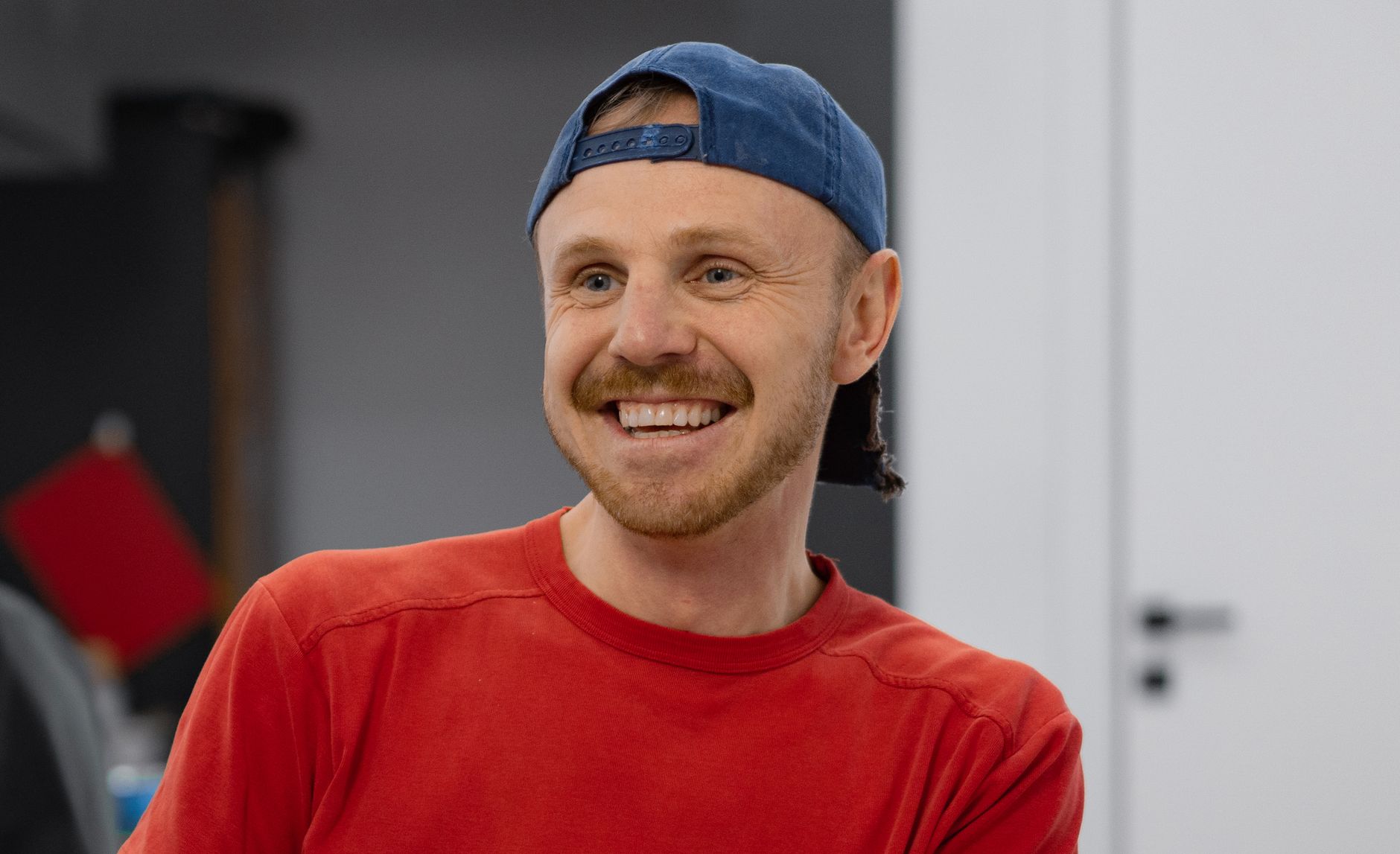
Simon Rolfes' Post-Playing Career: What Does a Sporting Director Actually Do?
Transitioning from a decorated playing career, Simon Rolfes has carved out a significant role as a sporting director, most notably at Bayer Leverkusen. But what does this multifaceted position actually entail? At its core, a sporting director is the architect of a club's long-term athletic vision, bridging the gap between the boardroom and the pitch. This involves meticulous squad planning and recruitment, identifying talent – both playing and coaching – that aligns with the club's philosophy and financial capabilities. It's a year-round process, extending beyond transfer windows to encompass scouting, contract negotiations, and player development pathways from the academy to the first team. They are the strategic mind ensuring the club's on-field identity is consistent and sustainable, fostering a culture of success and continuous improvement.
Beyond player acquisition, a sporting director's responsibilities extend to the holistic management of the footballing department. This includes overseeing the coaching staff, medical teams, and performance analysts, ensuring they have the resources and support to excel. They are often the key figure in setting performance objectives, evaluating progress, and making critical decisions regarding managerial changes or player disciplinary matters. Furthermore, a crucial aspect of the role is representing the club in external discussions, liaising with agents, other clubs, and even regulatory bodies. It demands a delicate balance of footballing knowledge, business acumen, and strong interpersonal skills, making the sporting director a pivotal figure in modern football operations, much like Rolfes' impactful tenure at Leverkusen.
Simon Rolfes is a retired German professional footballer who notably played for Bayer 04 Leverkusen for a significant portion of his career. After hanging up his boots, Simon Rolfes transitioned into management, eventually becoming the sporting director at his former club, where he continues to influence their strategic direction and team development.
Aspiring to a Life Beyond the Pitch? Common Questions About Career Transitions & Transferable Skills
For many athletes, the roar of the crowd and the thrill of competition are defining elements of their lives. However, as the final whistle blows on a professional career, a new set of questions often emerge. What comes next? How do the skills honed on the field, court, or track translate into a successful second act? This section aims to address these common concerns, offering insights into the emotional and practical aspects of transitioning away from professional sports. We'll explore how to identify your passions beyond the game, leverage your unique experiences, and navigate the often-challenging process of finding a new professional identity. It's a journey that requires self-reflection, strategic planning, and a willingness to embrace new opportunities – but one that can be incredibly rewarding.
One of the most frequently asked questions revolves around transferable skills. Athletes often undervalue the incredible array of capabilities they've developed throughout their careers. Think about it: dedication, resilience, teamwork, leadership under pressure, strategic thinking, goal-setting, discipline, and the ability to perform under intense scrutiny are all highly sought-after attributes in various industries. We'll delve into how to effectively articulate these skills on a resume and in interviews, demonstrating their relevance to potential employers. Furthermore, we'll discuss the importance of networking and mentorship, connecting with individuals who can offer guidance and open doors to new possibilities. The transition may feel daunting, but with the right approach, your athletic journey can become a powerful springboard for a fulfilling career beyond the pitch.