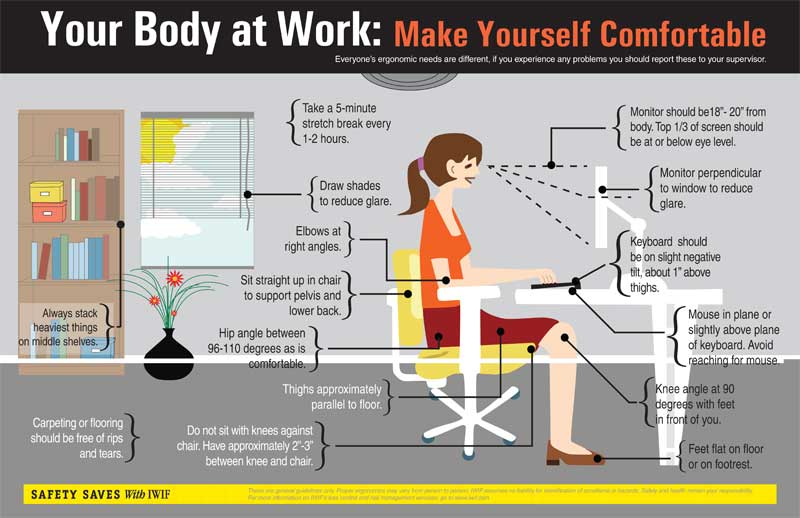
10 Essential Tips for Creating an Ergonomically Sound Workspace
Creating an ergonomically sound workspace is essential for maintaining comfort and enhancing productivity. Here are 10 essential tips that can help you design a workspace that prioritizes your health:
- Invest in a good chair: Choose a chair that offers adjustable height, lumbar support, and encourages a natural posture.
- Utilize proper desk height: Your desk should allow your elbows to be at a 90-degree angle while typing, preventing strain on your arms.
- Monitor placement: Position your monitor at eye level and at least an arm's length away to avoid neck and eye strain.
- Keyboard and mouse positioning: Keep your keyboard and mouse close enough to ensure your wrists remain in a neutral position.
- Use a footrest: If your feet do not reach the floor comfortably, a footrest can help maintain proper posture.
In addition to the fundamental aspects mentioned earlier, consider these further ergonomic tips to enhance your workspace:
- Incorporate breaks: Regularly step away from your desk to stretch and move around, reducing fatigue.
- Lighting: Ensure your workspace is well-lit with natural light or adjustable artificial lighting to minimize eye strain.
- Organize your desk: Keep frequently used items within easy reach to reduce repetitive motions and maintain an organized workspace.
- Use ergonomic accessories: Invest in tools like wrist rests, document holders, and monitor stands to support proper alignment.
- Personalize it: Make your workspace comfortable and motivating by adding personal touches such as plants or inspiring artwork.
Counter-Strike is a highly popular tactical first-person shooter game that has become a staple in the gaming community since its release. Players engage in intense team-based gameplay, where they can choose between two factions, terrorists and counter-terrorists, aiming to complete objectives or eliminate the opposing team. For those looking to enhance their gaming experience, check out these Top 10 Home Office Setups to create the ultimate gaming environment.
How to Choose the Perfect Ergonomic Chair for Your Home Office
Choosing the perfect ergonomic chair for your home office is essential for maintaining productivity and comfort. First, consider the adjustability of the chair. Look for features such as adjustable seat height, backrest angle, and armrest height to customize the chair to your body. A well-adjusted chair can help prevent discomfort and promote better posture. Additionally, the material of the chair is crucial; breathable fabrics can enhance comfort during long hours of work.
Next, evaluate the lumbar support offered by the chair. Proper lumbar support is vital to prevent back strain, so ensure the chair has a well-designed backrest that supports the natural curve of your spine. Consider the weight and size of the chair as well to ensure it fits appropriately in your workspace. To summarize, here are some key factors to think about when selecting your ergonomic chair:
- Adjustability
- Material
- Lumbar support
- Size and weight
Is Your Workspace Causing You Pain? Discover the Signs of Poor Ergonomics
A comfortable workspace is essential for maintaining productivity and overall well-being. If you've been experiencing unexplained aches or persistent discomfort, it may be a sign that poor ergonomics in your workspace are to blame. Common symptoms include back pain, neck strain, and repetitive strain injuries like carpal tunnel syndrome. To help identify these issues, consider evaluating your workspace and taking note of your posture, chair height, and desk layout. Are your wrists straight while typing? Is your monitor at eye level? If the answer is no, it’s time to make adjustments.
Recognizing the signs of poor ergonomics can be an important step toward creating a healthier work environment. Here are a few symptoms to look out for:
- Pain in the neck or shoulders after prolonged sitting.
- Frequent headaches, especially after hours of screen time.
- Fatigue that doesn't subside with breaks.
- Tingling or numbness in fingers or hands.
By addressing these warning signs early, you can prevent long-term damage and enhance not just your comfort but also your productivity.