The Hidden Dangers of Office Chairs: Are You Sitting on a Time Bomb?
Many people underestimate the impact of their office chairs on their overall health and productivity. The hidden dangers of these seemingly innocent pieces of furniture can lead to more than just discomfort; they can be a time bomb for your overall well-being. Poorly designed chairs can contribute to a variety of issues, including chronic back pain, poor posture, and even decreased circulation. In fact, studies show that sitting for prolonged periods in a subpar chair can lead to serious long-term health problems, making it essential to choose wisely when it comes to your office seating.
One of the most alarming aspects of office chairs is their potential to harbor harmful bacteria and allergens. Often overlooked, the fabric and crevices of these chairs can accumulate dust mites, mold, and even microscopic debris that can exacerbate allergies and respiratory issues. To combat these hidden dangers, regular cleaning and choosing materials that resist allergens can be crucial. Additionally, integrating ergonomic features into your chair can enhance not just comfort but also your overall productivity. By being proactive, you can transform your office chair from a potential hazard into a supportive ally for your health.
Counter-Strike is a tactical first-person shooter (FPS) game that has gained immense popularity since its release. Players engage in team-based gameplay, where they can play as either terrorists or counter-terrorists. For gamers looking for comfort during long sessions, check out the Top 10 Phone Accessories for Neck Pain to enhance their gaming experience.
Ergonomics 101: How to Choose the Right Office Chair for Your Health
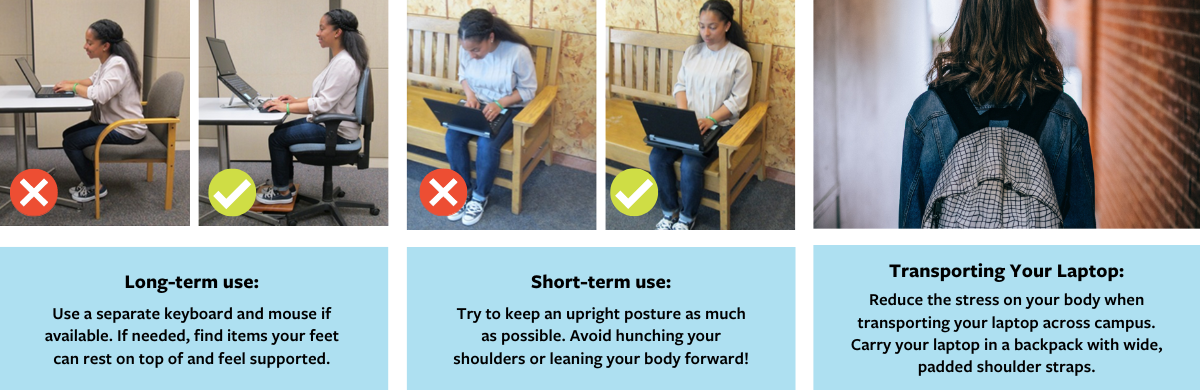
When it comes to maintaining good health in the workplace, ergonomics plays a crucial role, particularly when selecting the right office chair. A well-designed chair can significantly reduce the risk of musculoskeletal disorders, improve posture, and enhance overall productivity. Here are some essential factors to consider when choosing an office chair:
- Support: Look for chairs with adjustable lumbar support to maintain the natural curve of your lower back.
- Height: An adjustable height mechanism is vital for ensuring your feet rest flat on the floor or on a footrest.
- Seat Depth: Ensure that the seat depth allows you to sit comfortably against the backrest while keeping at least two to four inches between the back of your knees and the chair.
In addition to these elements, it’s important to consider the materials and features of the chair. A chair with breathable fabric can keep you comfortable during long hours of sitting, while adjustable armrests can help prevent shoulder strain. Remember, a good office chair is an investment in your health and can lead to increased comfort and efficiency. To summarize, prioritize ergonomics by looking for chairs that offer proper support, adjustability, and comfortable materials for the best working experience.
Is Your Office Chair a Modern-Day Torture Device? Signs You Shouldn't Ignore
In our fast-paced work environment, many of us spend countless hours seated at our desks, often oblivious to the toll our office chairs can take on our bodies. What may seem like a comfortable seat can become a modern-day torture device if it fails to support our posture or align our spine properly. If you frequently experience discomfort, numbness, or sharp pains in your back, neck, or hips after a day at work, these are signs you shouldn't ignore.
Moreover, if you find yourself shifting positions frequently or using cushions and pillows just to feel comfortable, it’s a clear indication that your chair is not providing the necessary support. Consider evaluating your chair for features such as adjustable height, lumbar support, and armrest adjustments. Ignoring these signs may lead to long-term health issues, making it essential to invest in an ergonomic chair that promotes better posture and comfort.